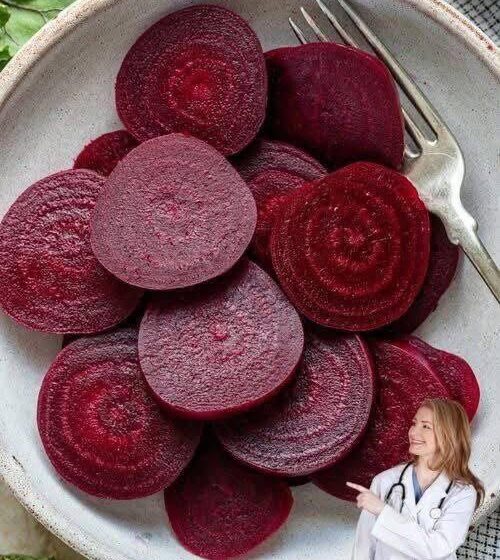
Beet Benefits: What Doctors Say Happens When You Eat Them
Beets have moved from being an overlooked root vegetable to a modern “superfood” that nutrition experts and doctors often recommend. Known for their deep red-purple color and earthy sweetness, beets are packed with vitamins, minerals, and natural compounds that can support heart health, blood flow, stamina, and even brain function.
What makes beets especially interesting from a medical and nutritional perspective is their high concentration of nitrates, antioxidants, and fiber. These compounds interact with the body in ways that can have noticeable short-term and long-term health effects when eaten regularly.
In this article, we’ll break down what doctors and nutrition research suggest can happen when you include beets in your diet consistently.
1. Beets May Help Lower Blood Pressure
One of the most well-documented benefits of beets is their potential effect on blood pressure. Beets are rich in natural nitrates, which the body converts into nitric oxide.
Nitric oxide helps relax and widen blood vessels, improving circulation and reducing pressure on artery walls. This process can support healthier blood pressure levels, especially in people with mild to moderate hypertension.
Many clinical studies have shown that beet juice can produce a temporary reduction in blood pressure within a few hours of consumption. While it is not a replacement for medication, doctors often highlight it as a supportive dietary addition for cardiovascular health.
2. Improved Blood Flow and Heart Health
Because beets help increase nitric oxide production, they can also improve overall blood flow. Better circulation means more oxygen is delivered throughout the body, including the heart and muscles.
From a cardiology standpoint, improved vascular function is linked to reduced strain on the heart over time. Beets also contain potassium, which helps balance sodium levels and supports heart rhythm stability.
Combined, these effects make beets a heart-friendly food often included in DASH-style and Mediterranean-style diets.
3. Enhanced Exercise Performance and Stamina
One of the most popular claims supported by sports nutrition research is that beets may improve exercise performance.
Athletes sometimes drink beet juice before workouts because improved nitric oxide levels can make muscles use oxygen more efficiently. This may result in:
- Better endurance
- Reduced fatigue
- Improved time to exhaustion
Doctors explain that this does not “boost strength” directly, but it can help the body perform more efficiently under physical stress, especially during aerobic activities like running or cycling.
4. Brain Health and Cognitive Support
Healthy blood flow doesn’t just benefit the heart—it also supports the brain. Some studies suggest that the nitrates in beets may improve oxygen delivery to areas of the brain responsible for decision-making and memory.
As people age, circulation naturally declines, so foods that support vascular health may also help maintain cognitive function. While research is still ongoing, early findings are promising, especially in older adults.
5. Anti-Inflammatory and Antioxidant Effects
Beets are rich in betalains, the pigments responsible for their deep red color. These compounds act as powerful antioxidants and have anti-inflammatory properties.
Doctors often emphasize that chronic inflammation is linked to many health conditions, including heart disease, diabetes, and certain types of cancer. While beets are not a cure, they can be part of an anti-inflammatory diet that helps reduce long-term risk.
Antioxidants in beets also help the body combat oxidative stress, which is caused by free radical damage at the cellular level.
6. Digestive Health Benefits
Beets are a good source of dietary fiber, which supports a healthy digestive system. Fiber helps regulate bowel movements, promotes gut health, and feeds beneficial gut bacteria.
A healthy gut microbiome is increasingly recognized by doctors as essential for immunity, metabolism, and even mood regulation. Including fiber-rich vegetables like beets can contribute to better overall digestive balance.
7. Liver Support and Detoxification
Beets contain compounds such as betaine, which may support liver function. The liver plays a central role in detoxifying the body, processing fats, and metabolizing nutrients.
Some studies suggest beet compounds may help the liver process toxins more efficiently and reduce fat accumulation in liver cells. While “detox” claims are often exaggerated in popular media, doctors do acknowledge beets as supportive for normal liver function.
8. Possible Blood Sugar Benefits
Despite their natural sweetness, beets have a moderate glycemic impact due to their fiber content. Some research suggests they may help improve insulin sensitivity when consumed as part of a balanced diet.
However, portion control matters, especially for people with diabetes. Whole beets are generally preferred over beet juice, which is more concentrated and can raise blood sugar more quickly.
9. Nutritional Profile That Supports Overall Health
Beets are low in calories but rich in essential nutrients, including:
- Folate (important for cell repair and pregnancy health)
- Vitamin C (immune support and skin health)
- Potassium (blood pressure regulation)
- Manganese (metabolism and bone health)
This combination makes them a nutrient-dense food that supports multiple body systems at once.
10. A Common Side Effect: Beeturia
Doctors also point out a harmless but surprising effect: beeturia, where urine or stool may turn reddish after eating beets.
This happens due to natural pigments and is completely safe. However, it can be mistaken for blood, so it’s useful to know about beforehand.
How to Eat Beets for Maximum Benefits
Beets can be enjoyed in many forms:
- Roasted in olive oil
- Blended into smoothies or juices
- Shredded raw in salads
- Boiled or steamed as a side dish
- Pickled for longer storage
Roasting is often preferred because it enhances their natural sweetness while preserving nutrients.
Final Thoughts
Beets are more than just a colorful vegetable—they are a nutrient-rich food with scientifically supported benefits for heart health, circulation, stamina, and overall wellness. While they are not a miracle cure, doctors and nutrition experts often agree that adding beets to a balanced diet can contribute positively to long-term health.
From improved blood flow to antioxidant protection, the effects of eating beets regularly are both practical and meaningful. Whether you drink them as juice, roast them as a side dish, or add them to salads, beets are a simple and powerful addition to a healthy lifestyle.